About
I’ve spent nearly three decades building software and learning why the code is rarely the whole problem.
I’m Enrique Gutierrez, a software architect, technical strategist, and founder of Craft & Logic. I started building for the web in 1998. Since then, I’ve worked across engineering, product strategy, automation, behavioral analysis, technical leadership, and applied AI.
Most of my work now happens where technology, business constraints, product decisions, and human assumptions collide.

Technology has been the throughline of my career, but never the whole of it. I’m interested in systems, behavior, architecture, photography, and the decisions people make when the obvious answer stops working.
This site brings those things together: the work I’ve done, what I’m building now, what I’ve learned, and whatever else has held my attention long enough to write about it.
Operating perspective
The tools change. The underlying problems are stubbornly familiar.
Products fail for technical reasons, but the technical problem is often where an earlier contradiction finally became visible. Unclear ownership becomes confused permissions. Changing priorities become unstable architecture. An enterprise-sized idea funded like a prototype becomes technical debt.
My job is not only to solve the problem as presented. It is to determine whether the presented problem is the real one.
- Make the important decision explicit.
- Separate evidence from assumption.
- Treat budgets, scope, and deadlines as connected constraints.
- Build systems teams can understand and maintain.
- Use automation to remove repetition, not judgment.
- Give founders a practical path forward without pretending every ambition fits the current reality.
Career eras
I’ve seen a few technology cycles.
I began building for the web in 1998. Since then, websites became applications, applications became platforms, automation became intelligence, and AI made code dramatically cheaper to produce.
The need for sound judgment did not become cheaper with it.
1998–2006
Learning the machine
Early web development, software engineering, .NET, automation, and the transition from websites as documents into software as business systems.
2007–2012
Connecting technology to revenue
Consulting, marketing, analytics, UX optimization, consumer behavior, and digital strategy. This is where development stopped being an isolated technical discipline.
2013–2016
Building teams and products
Founded Craft & Logic. Built and managed development teams, introduced Agile delivery, developed web and mobile products, and expanded into behavioral and sentiment systems.
2017–2020
Automation and applied intelligence
Algorithms, operational tooling, increasingly automated systems, data-driven decisions, and more complex application architecture.
2021–2023
Technical leadership
Enterprise digital strategy, business intelligence, fractional CTO work, startup advising, product recovery, and translating loosely formed ideas into systems teams could build.
2024–Present
AI, platforms, and the next software cycle
AI-assisted engineering, shared development intelligence, platform evolution, quantitative systems, and the recognition that faster code production does not automatically create better products or viable companies.
Current work
What I’m working on now
I run Craft & Logic, work with founders and leadership teams as a technical strategist, and build products where software, automation, data, and decision-making intersect.
That includes recovering difficult application projects, shaping product and engineering strategy, developing AI-assisted workflows, and building quantitative forecasting and execution systems through Haruspex.

Personal
There is a life outside the machine.
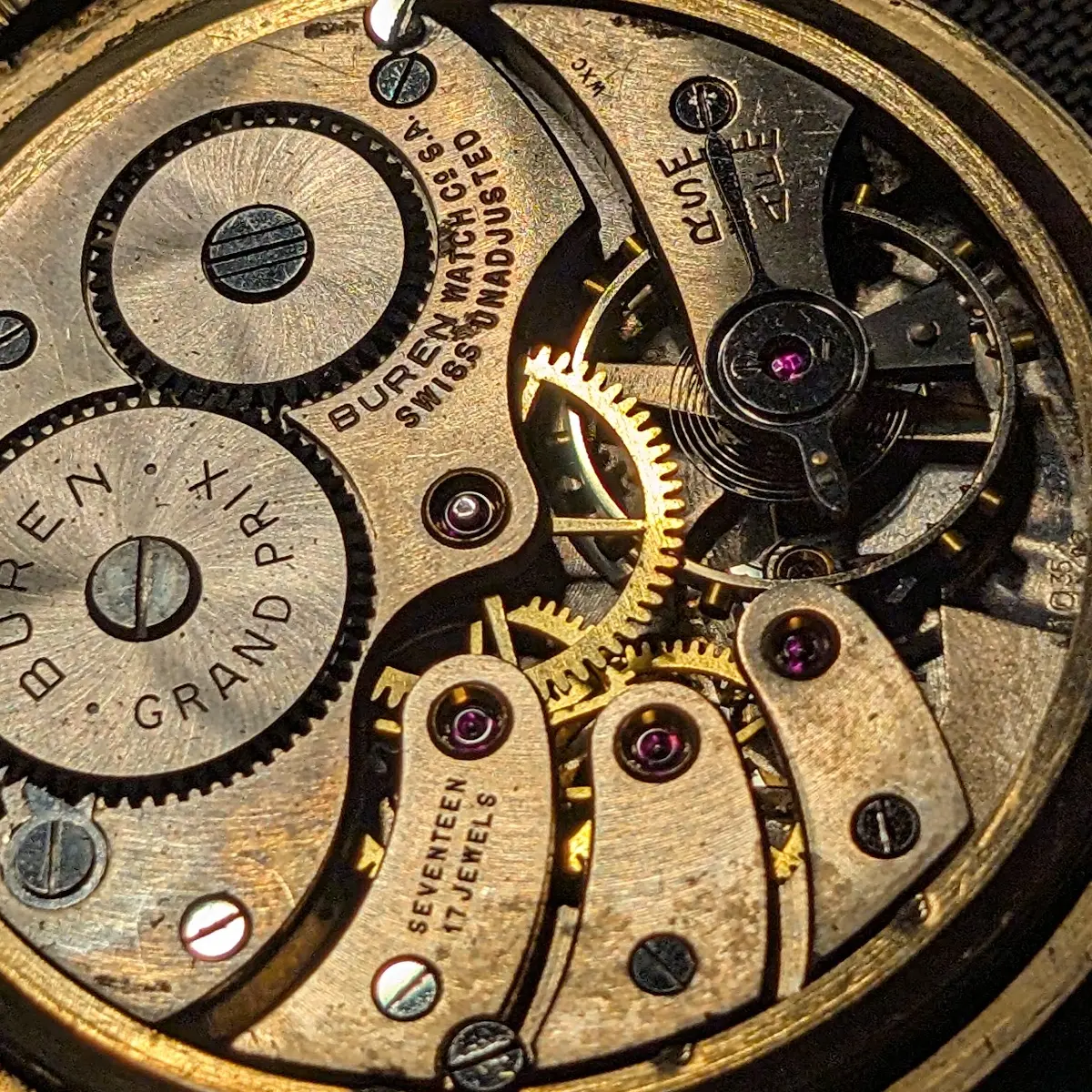
Away from software, I spend time photographing architecture, cities at night, mechanical details, forests, and the smaller patterns people tend to walk past. I also cycle, hike, play board games, and share life with the people and animals who make all of the work worth doing.
Photography probably comes from the same instinct as engineering: observe carefully, find the structure, and decide what matters enough to keep in the frame.
If you’re building something complicated, recovering something troubled, or trying to turn a strong idea into an attainable product, we should probably talk.
Start a conversation