
Craft & Logic
A product and engineering company for organizations that need senior technical leadership and the team to execute behind it.
Visit Craft & Logicnrek
Technologist · Founder · Systems Architect
Nearly three decades turning ambitious ideas into technology that can actually be built, operated, and sustained.
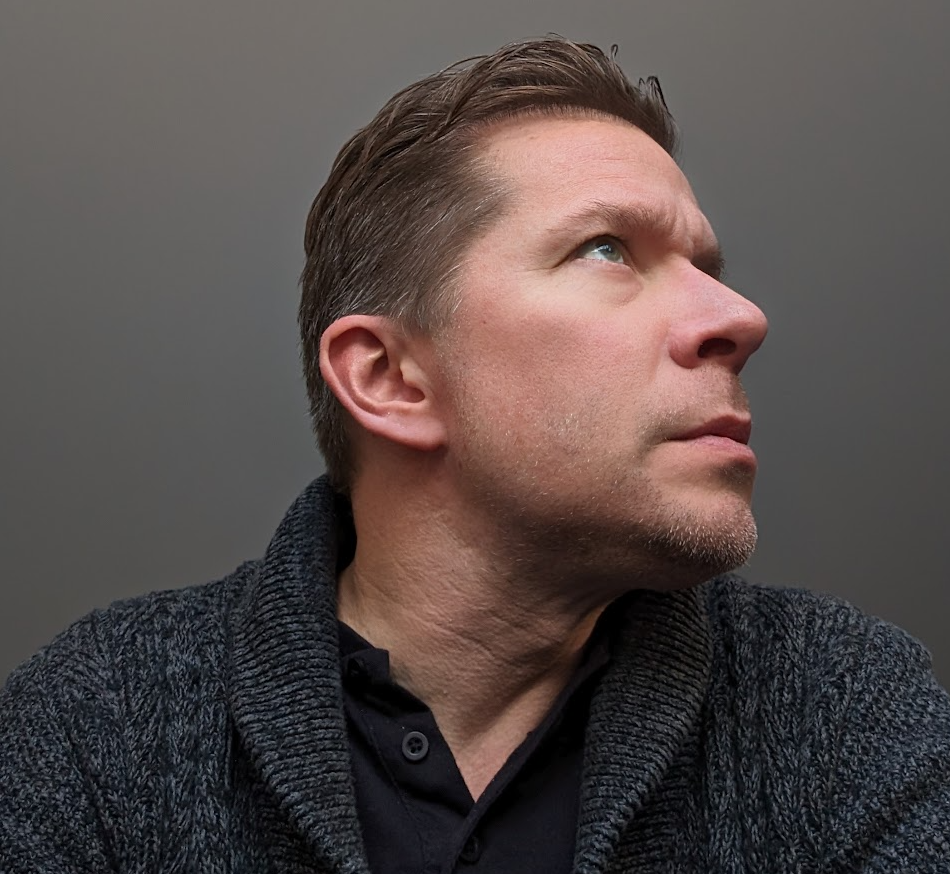
About
I’m Enrique Gutierrez, a software architect, technical strategist, and founder of Craft & Logic. I’ve worked in the web industry since 1998, building products, recovering difficult projects, advising founders, and helping teams turn ambitious ideas into systems that can survive contact with reality.
These days, I spend most of my time somewhere between technology, product strategy, business constraints, and the decisions nobody realized they needed to make.
More about meThe work beneath the work
They are failures of assumptions, ownership, priorities, incentives, or execution. My work is figuring out which problem is real, then building the system that addresses it.
How I got hereWhat I do
Translating product and business goals into systems that can be built, maintained, and scaled.
Giving teams enough structure to ship without burying them in process theater.
Using AI where it improves capability, speed, analysis, or leverage—without pretending a model replaces judgment.
Finding the real failure points in inherited systems, stalled products, unclear roadmaps, and expensive assumptions.
Businesses
A product and engineering company for organizations that need senior technical leadership and the team to execute behind it.
Visit Craft & LogicApplied forecasting, market intelligence, and automated trading systems built around the belief that uncertainty can be modeled, tested, and managed.
Visit HaruspexLatest writing
Generative tools are changing who gets to turn an inner life into something others can experience. Craft remains valuable, but access to craft was never the measure of whether someone had something worth expressing.
Frontier models amplify human capability without inheriting human conscience. The danger is not that machines become evil, but that they make human greed, exploitation, and moral cowardice cheaper to execute at scale.
Artificial Intelligence was always an imprecise name. Super Intelligence is worse. What we are building is something colder, more useful, and potentially more dangerous.
Technology is full of people selling inevitability. I am more interested in what survives implementation.
Start a conversation
If an experienced perspective would help, tell me what you are working through.
Get in touch